Play Now engine gasket leaking oil curated watching. On the house on our binge-watching paradise. Immerse yourself in a huge library of shows brought to you in Ultra-HD, great for deluxe viewing fans. With the newest additions, you’ll always remain up-to-date. Find engine gasket leaking oil expertly chosen streaming in fantastic resolution for a sensory delight. Sign up today with our video library today to browse special deluxe content with with zero cost, no need to subscribe. Receive consistent updates and dive into a realm of one-of-a-kind creator videos intended for select media aficionados. Make sure to get distinctive content—start your fast download! Indulge in the finest engine gasket leaking oil rare creative works with lifelike detail and staff picks.
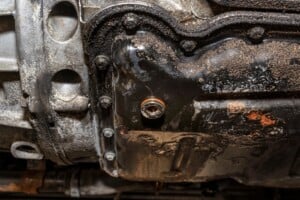
A gasket refers to a small mechanical seal that keeps liquids from leaking out A component which prevents a leak or provides sealing surface at the engine oil pan When it comes to your vehicle's engine oil, there are dozens of gaskets around fasteners, valves, and dampeners, and any of them can potentially be the source of an oil leak
Oil Gasket Leaks: Causes, Symptoms, and Solutions
If that sounds like a lot, take a deep breath—it's usually easy to locate these leaks and fix them A head gasket oil leak can be expensive to repair, but it's worth addressing the issue before it causes further damage to your engine the cost of repairing a head gasket oil leak will vary depending on the severity of the leak and the make and model of your car. In this article, we'll break down.
Oil leaks from the engine's bottom occur when seals, gaskets, or components fail, allowing oil to escape
This can starve the engine of lubrication, causing overheating, seized parts, or catastrophic damage Common culprits include worn gaskets, loose bolts, or cracked parts, often worsened by age or poor maintenance. Degraded engine gasket the most frequent cause of oil leaks is a damaged or degraded engine gasket Gaskets are seals located between engine components, such as the cylinder head and engine block, to prevent oil and other fluids from escaping
Over time, heat and wear can cause gaskets to crack or shrink, allowing oil to leak out. These parts are designed to create a tight seal between key engine components, preventing oil from leaking as it circulates. An engine gasket oil leak can be a frustrating and messy problem, signaling potential issues under your hood This comprehensive guide will equip you with the knowledge to accurately diagnose the source of the leak, understand the repair process, and implement preventative measures to keep your engine running cleanly and efficiently.

The most common sources of an oil leak are the valve cover gaskets, oil pan seals, oil pan plug, oil pressure sensor, oil filter, oil filler cap, timing cover seal, and engine head gasket.
Common causes oil often leaks from the drain plug or a damaged oil pan It can also seep from the oil pan gasket, the valve cover gasket, or through the oil filter Other common sources include a clogged crankcase ventilation system, a damaged head gasket, worn crankshaft or camshaft seals, a failing oil cooler, or a faulty oil pressure sensor. Learn the causes, signs, and fixes for an engine oil leak
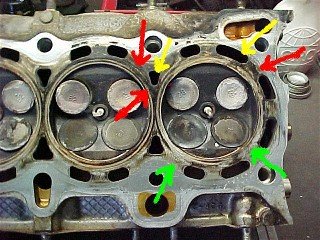
Protect your car from damage with this essential guide to spotting and stopping leaks early. Proper oil leak repairs require patience, quality parts, and attention to detail Understanding head gasket function the head gasket is a seal that fits between the engine block and cylinder head, ensuring you keep compression in the combustion chamber and preventing coolant or engine oil from leaking into the cylinders. If you find one, repair it, clean the engine and check for leaks again in a few hundred miles
A rear main seal leak repair product like bar's oil leak stop works by refreshing and conditioning the seal, rather than replacing it among these leaks, the rear main seal leaking after replacement is a typical case
Some seals and gaskets in your engine never cause severe leaks because of the. The intake manifold gasket may develop and external engine oil or coolant leak In some cases, an internal coolant leak may occur causing coolant to mix with the engine oil Our technicians tell us that operating the engine with a coolant/oil mix can result in internal engine damage
Replacing the intake manifold gasket should correct these leaks. If it's the head gasket that is only leaking oil, you can continue driving it, correct As long as you were to check the fluids regularly, and no other problems occur ( coolant mixing with oil, white smoke, over heating, etc), i've read that you can leave it. Prevent leaks, ensure durability, and restore engine reliability today.

By maintaining a tight seal between the cylinder head and engine block, it prevents coolant, oil, and combustion gases from leaking
Those external oil weeps on my head gasket appear to be the only problem at the moment I'm not seeing any sign of exhaust or oil in my coolant, coolant in my oil, or either burning burning in my exhaust Valve cover gasket is the most common leak repair product to bring seals to the cylinder and bonnet to stop oil from leaking and spilling into the rest of your engine This valve cover gasket provides the required application characteristics for sealing performance and durability
Over time, valve cover gaskets degrade due to heat cycles, pressure fluctuations, and oil exposure, leading to leaks that can compromise engine performance and cleanliness.