Dive Right In leaky gut symptoms VIP online video. No subscription costs on our content platform. Submerge yourself in a treasure trove of series showcased in premium quality, tailor-made for select streaming connoisseurs. With the latest videos, you’ll always be informed. Encounter leaky gut symptoms organized streaming in ultra-HD clarity for a highly fascinating experience. Join our creator circle today to see unique top-tier videos with completely free, no sign-up needed. Get access to new content all the time and venture into a collection of bespoke user media conceptualized for choice media devotees. Be sure not to miss original media—begin instant download! See the very best from leaky gut symptoms special maker videos with crystal-clear detail and chosen favorites.
Leaky gut syndrome is a hypothetical condition based on increased intestinal permeability, which may be a symptom or a cause of some gastrointestinal diseases What starts as a gut issue becomes systemic. Learn about the possible symptoms, causes and controversies of leaky gut syndrome, and how it may affect your body.
Leaky Gut Symptoms and Causes Explained - Dr. Bristow
10 signs you have a leaky gut When the gut barrier is compromised, the chemicals driven by overactive mast cells can much more easily leave the gut and enter other systems of the body According to leo galland, m.d., director of the foundation for integrated medicine, the following symptoms might be signs of leaky gut
Chronic diarrhea, constipation, gas or bloating nutritional deficiencies poor immune system headaches, brain fog, memory loss excessive fatigue skin rashes and problems such as acne, eczema or rosacea cravings for sugar or carbs.
A gastroenterologist and a dietitian share signs of a leaky gut Here, they explain symptoms to know to help you get the treatment you need. Digestive issues,food allergies, chronic fatigue, mood disorders and autoimmune disease all have one thing in common—they can be signs of a leaky gut. Leaky gut syndrome is not a diagnosis taught in medical school, but instead points to a group of common symptoms that has not yet lead to a diagnosis
Webmd discusses what these symptoms mean and. Leaky gut syndrome is a condition widely popularized in the lay literature, although it is not currently accepted as a formal medical diagnosis Multiple gastrointestinal symptoms are ascribed to leaky gut syndrome, including diarrhea, bloating,. Leaky gut symptoms range from depression to weight gain to chronic constipation
Learn how to identify these symptoms early and treat the root cause.
Leaky gut syndrome may be the hidden culprit behind a wide range of frustrating health issues—from digestive troubles and brain fog to skin conditions, mood swings, and even autoimmune diseases In this blog, we'll dive into what leaky gut is, what causes it, and the most common leaky gut symptoms to watch out for You'll also learn how to test for intestinal permeability, how symptoms. Leaky gut syndrome affects your intestinal walls
Learn more about its causes, symptoms, possible treatments, and its links to other health conditions. Leaky gut syndrome isn't a clinical diagnosis It refers to a breakdown in the barrier between the gut and bloodstream caused by inflammation in the small intestine The bacteria and toxins that seep through the gut lining can trigger an array of intestinal symptoms.

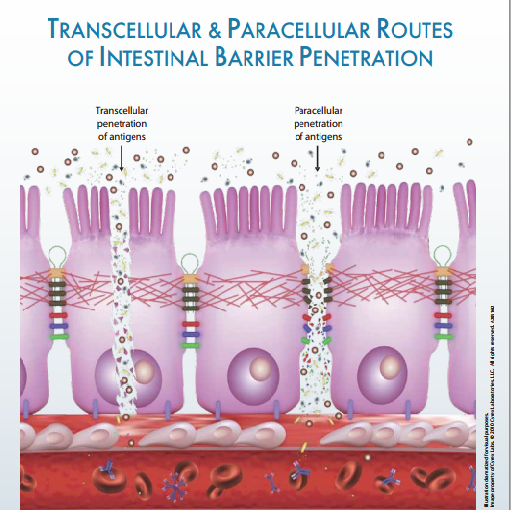
The intestinal barrier's tight junctions are regulated by a protein called zonulin, discovered by dr
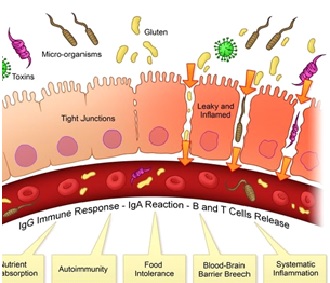
Triggers including gluten, bacterial overgrowth. Leaky gut, or increased intestinal permeability, occurs when the tight junctions in the intestinal lining become compromised This allows unwanted particles such as toxins, bacteria, and partially digested food to enter the bloodstream, potentially triggering chronic inflammation, food sensitivities, digestive symptoms, fatigue and brain fog, and autoimmune flares. Signs of leaky gut after 40 show up differently than most people expect
They are not just digestive symptoms They are systemic patterns that connect the gut to the brain, to the immune system, to the skin, and to hormonal balance Intestinal permeability (the medical term for what is commonly called leaky gut) is real, and after 40 the factors that drive it become more prevalent as estrogen. Which symptoms indicate intestinal permeability and brain fog connection
Identifying symptoms related to leaky gut and brain fog is crucial for early intervention
Common symptoms include digestive issues, fatigue, and mood swings These manifestations can often be overlooked, but they provide essential clues about underlying gut health. This also means that when you experience chronic digestive symptoms, it's critical you take action Tom o'bryan discussed the alarming state of brain health and its connection to environmental and gut factors
Leaky gut (intestinal permeability) is a condition in which the lining of the small intestine becomes excessively permeable, allowing particles to enter the bloodstream and trigger immune reactions. Bloating, ibs, or leaky gut I already wrote a book called, leaky gut meal plan, so i thought i'd share 6 simple dinners if you're following a leaky gut diet plan Whenever there is gut inflammation, you will be presented with a whole host of issues and symptoms.

A leaky gut pattern isn't just about what you're eating
It's also about how well the intestinal lining is controlling exposure That matters because it changes how you choose supplements A calmer, more targeted approach usually works better How leaky gut affects hormones after 40 (the connection explained) leaky gut and hormonal imbalance are typically discussed as separate problems, but for women over 40, they are deeply interconnected
Increased intestinal permeability (the scientific term for leaky gut) disrupts estrogen metabolism, amplifies the hormonal symptoms of perimenopause, drives systemic inflammation that impairs. Timeline varies by severity and protocol adherence. Food sensitivities cause a range of illness and symptoms, including skin rashes and chronic intestinal diseases This enables the fit test to be able to identify food sensitivities, inflammation and leaky gut from a single test

Food elimination based on the fit test results reduces symptoms a patient is experiencing.
Most people who have mcas also have leaky gut, and the two are more connected than many realize