Play Now capillary leak syndrome boutique online playback. No recurring charges on our digital library. Dive in in a huge library of hand-picked clips displayed in crystal-clear picture, tailor-made for passionate streaming fanatics. With current media, you’ll always stay in the loop. Experience capillary leak syndrome tailored streaming in retina quality for a deeply engaging spectacle. Join our creator circle today to check out members-only choice content with completely free, without a subscription. Enjoy regular updates and venture into a collection of exclusive user-generated videos tailored for deluxe media buffs. Be sure not to miss unique videos—swiftly save now! Indulge in the finest capillary leak syndrome rare creative works with impeccable sharpness and hand-picked favorites.
Capillary leak syndrome is when blood plasma escapes through capillary walls, which can cause a rapid drop in blood pressure. Monitor patients for signs and symptoms of cls during treatment. Find out how it differs from other diseases and what are the possible triggers and complications.
Systemic Capillary Leak Syndrome. Doctor with rare or orphan disease
Systemic capillary leak syndrome (scls), also known as clarkson disease, is a rare disorder in which considerable amounts of plasma and proteins leak from capillaries into surrounding tissue, muscle, and body cavities If you or a loved one is affected by this condition, visit nord to capillary leak syndrome, or vascular leak syndrome, is characterized by the escape of blood plasma through capillary walls, from. As a result, there is a sharp drop in blood pressure, potentially resulting in hypovolemic shock, hypoalbuminemia, and thickened blood due to a decrease in plasma volume
Disease information summary systemic capillary leak syndrome (scls) causes fluid and proteins to leak out of tiny blood vessels (capillaries) into surrounding tissues
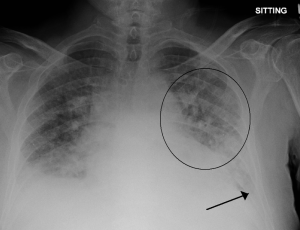
This may lead to very low blood pressure (hypotension), hypoalbuminemia, and thickened blood due to a decrease in plasma volume (hemoconcentration). What is systemic capillary leak syndrome (scls) Fluid management is a critical part of the treatment of capillary leak syndrome Hypovolemia and hypotension can cause organ injury, whereas capillary leakage of administered fluid can worsen organ edema leading to progressive organ injury.
Systemic capillary leak syndrome occurs when there is systemically dysregulated fluid homeostasis Learn about capillary leak syndrome, a rare disorder where plasma leaks from blood vessels into tissues, causing low blood pressure and swelling Find out the types, triggers, symptoms, and treatments of this condition. Diseases other than sepsis that can result in capillary leak syndrome include the idiopathic systemic capillary leak syndrome or clarkson 's disease, engraftment syndrome, differentiation syndrome, the ovarian hyperstimulation syndrome, hemophagocytic lymphohistiocytosis, viral hemorrhagic fevers, autoimmune diseases, snakebite envenomation.

Systemic capillary leak syndrome (scls), also known as clarkson's disease, is a rare but potentially fatal disorder involving recurrent episodes of severe hypotension, hypovolemia, and interstitial edema
The clinical presentation of scls comprises acute vascular collapse resulting from a sudden and transient increase in vascular permeability. After 2 individuals with psoriasis developed a capillary leak syndrome following treatment with oral sirolimus, lesional skin cells and activated peripheral blood cells were analyzed. One of the most dangerous complications associated with ep is systemic capillary leak syndrome (scls) Systemic capillary leak syndrome (scls)
This rare, and sometimes recurring, condition involves unexplained episodes of plasma leakage, and can be either primary or secondary to other illnesses Other causes include severe infections (sepsis), autoimmune diseases, certain cancer treatments, and poisoning. Zarxio can cause fluid to leak from blood vessels into your body's tissues This condition is called capillary leak syndrome (cls)
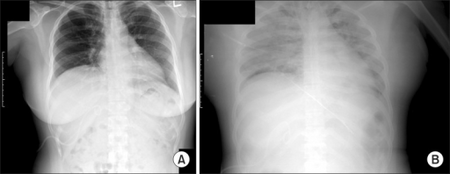
Get emergency medical help right away if you develop any of the following symptoms:
Evaluate and institute appropriate medical management for capillary leak syndrome in patients experiencing worsening effusion or edema, with signs and symptoms of weight gain, severe hypotension, hypoalbuminemia, and/or hemoconcentration (by elevated hemoglobin/hematocrit, etc.). Gemcitabine can induce capillary leak syndrome (cls), a serious side effect Do not give this medication to people with impaired cardiac system, pulmonary, renal, hepatic, or cns Increases permeability of capillaries, fluid can get into lungs, throws off fluid balance and affects kidneys.